

The Story Of… Caffè Pedrocchi in Padua, Italy
Exclusive Interview by Karen Beishuizen
Photos courtesy of Caffè Pedrocchi
Caffè Pedrocchi was founded in 1831 in Padua, Italy. It is one of Italy’s most iconic and historic cafés. Pedrocchi coffee is their speciality: a warm espresso crowned with a chilled mint cream and finished with a delicate dusting of bitter cocoa. The restaurant serves Tagliolini al Pedrocchi coffee, goose leg on potato cream, Vicenza-style cod: dishes that reinterpret Venetian and Italian classics with subtle creativity. The atmosphere is at once historic and alive, a space where past and present meet over conversation, coffee, and culture. Visiting Pedrocchi is more than enjoying a coffee; it is an artistic and cultural experience, a journey through time and elegance.
KB: Describe to the RSR readers when and by who Caffè Pedrocchi founded?
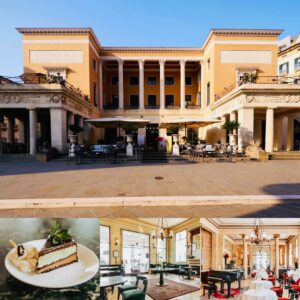
Caffè Pedrocchi, founded in 1831 by Antonio Pedrocchi and designed by architect Giuseppe Jappelli, is one of Italy’s most iconic and historic cafés, located in the heart of Padua. Known as “the café without doors” because it remained open day and night until 1916, it quickly became a vibrant meeting place for intellectuals, artists, students, and politicians, particularly those from the nearby University of Padua. Built in elegant neoclassical style, the café features beautifully decorated halls, including the famous Green Room, where students and thinkers once gathered to debate ideas. The upper level, added in 1839, contains themed rooms in Egyptian, Greek, and Roman styles, reflecting the cultural sophistication of the time.
Caffè Pedrocchi played a significant role during the 1848 revolutions, serving as a center of anti-Austrian resistance—a bullet hole from that uprising remains visible today as a historical reminder. Renowned for its signature mint-flavored espresso drink, the café continues to serve as both a cultural landmark and a museum, symbolizing Padua’s enduring spirit of creativity, freedom, and intellectual exchange.
KB: Pedrocchi Coffee: What is so special about it?
The Pedrocchi coffee is a creation of rare distinction — a warm espresso crowned with a chilled mint cream, offering a refined interplay of temperatures and aromas. Finished with a delicate dusting of bitter cocoa, it delivers a unique experience found nowhere else in the world.
KB: What pastries and cakes do you sell in your patisserie?
Many of the pastries and cakes we offer are exquisite creations from Pasticceria Racca and their talented pastry chef, Giovanni Racca. For example, we offer mignon pastries, macarons in a variety of flavors, and mini cakes — perfect for a delightful snack on the go or to savor in the elegant comfort of our café rooms. An ideal choice for a refined and indulgent sweet break.
In addition, we craft some delicacies in-house, preserving the tradition of authentic, artisanal pastry-making. Among our most sought-after specialties are the Pedrocchi Cake, inspired by the iconic Pedrocchi coffee, and the Stendhal Zabaglione, prepared according to the traditional recipe.
KB: What is the best on the menu people must try?
Our restaurant, perhaps less widely known, invites guests on a true culinary journey. For aperitivo, we recommend pairing our cicchetti, both from land and sea, or our boards of local cured meats and cheeses, with a classic Spritz, be it Aperol or Campari, or with a P31 — a signature cocktail crafted from a 31-herb distillate, celebrated as one of the café’s most iconic creations.
For those who wish to savor the ambiance of our caffé without alcohol, we offer a selection of non-alcoholic beverages, among which the Pedrocchi mocktail stands out: a sweet, fruity creation, ideal for refreshing yourself during the warm summer days of Padua.
Among our specialties, the Tagliolini al Pedrocchi coffee with duck ragù, artichokes, and mint is not to be missed — a masterful reinterpretation of a classic Italian dish, infused with the very essence of Pedrocchi. For main courses, two signature dishes define our menu: the goose leg on a silky potato cream with mushroom demi-glace, celebrating the earthy richness of our regional heritage, and the Vicenza-style cod with grilled Marano polenta, a refined expression of the sea and the flavors of Veneto.
To conclude your experience, we suggest pairing dessert with our signature Pedrocchi cake, a sublime combination that perfectly embodies indulgence and elegance.
KB: Which famous people have visited Caffè Pedrocchi over the years?
Over the centuries, Caffè Pedrocchi has welcomed a remarkable array of distinguished visitors, becoming a true meeting place for intellect, art, and culture. Among its most celebrated guests were Lord Byron, the legendary British poet, and Stendhal, the French novelist, captivated by Italy’s charm. The café also hosted Gabriele D’Annunzio, whose literary genius left an indelible mark on Italian letters, and Antonio Canova, the great Venetian sculptor, renowned for his neoclassical masterpieces.
In addition, figures of the Italian Risorgimento, including Giuseppe Mazzini, frequented Pedrocchi, using its elegant halls as a space for discussion and the exchange of ideas.
Today, Caffè Pedrocchi continues to honor this legacy, remaining a sanctuary of culture and refinement, where history and modernity meet over coffee, conversation, and timeless elegance.
KB: In which series and movies did Caffè Pedrocchi appear in?
The most recent television series that Caffè Pedrocchi hosted is called “L’Alligatore” and “Italia a Morsi” by Chiara Maci. Check out Wikipedia for the links to the series.
KB: Describe to the RSR readers what they can expect on a visit to Caffè Pedrocchi .
As you cross the threshold, the first thing that strikes you is the grand neoclassical architecture — soaring ceilings adorned with intricate frescoes, marble columns, and ornate moldings that speak of 19th-century Venetian grandeur. The air is tinged with the rich aroma of freshly brewed coffee, mingling with the subtle sweetness of pastries on display.
To your left, a glass display case showcases an array of delicate mignon pastries, macarons in vibrant colors, and mini cakes, each one a tiny work of art. Beyond that, the tables are neatly arranged, inviting both intimate conversations and quiet moments of reflection, while the soft murmur of conversation adds warmth to the refined atmosphere.
Looking around, your eyes are drawn to the historical rooms, each with its own character. The “Sala Verde” and “Sala Rossa,” for example, are decorated with period furnishings and frescoes, offering a glimpse into the café’s illustrious past. These spaces have hosted poets, artists, and statesmen, and you can almost feel the echoes of their footsteps.
At the counter, the baristas prepare the legendary Pedrocchi coffee, topping it with chilled mint cream and a delicate dusting of cocoa. The sight alone is mesmerizing — a perfect blend of artistry and indulgence. Nearby, shelves display the P31 distillate and other signature drinks, promising an aperitivo experience steeped in tradition and innovation.
As you move further in, you notice the caffé seamlessly extends into the restaurant, where elegant table settings hint at the culinary delights to come — Tagliolini al Pedrocchi coffee, goose leg on potato cream, Vicenza-style cod — dishes that reinterpret Venetian and Italian classics with subtle creativity.
The atmosphere is at once historic and alive, a space where past and present meet over conversation, coffee, and culture. Every corner invites exploration, whether to enjoy a quiet moment, a sweet indulgence, or the elegance of a Paduan aperitivo.
KB: Why should people visit Caffe Pedrocchi?
Caffè Pedrocchi is the historic café of Padua, a true icon where culture, architecture, and history converge. Since its opening in 1831, it has been at the heart of the city’s social and cultural life, witnessing countless historic moments and hosting intellectuals, artists, and political figures. Visiting Pedrocchi is more than enjoying a coffee; it is an artistic and cultural experience, a journey through time and elegance.
The caffé is famous for its three symbolic rooms: the Red, Green, and White Halls. The Sala Rossa was traditionally a space for political debates and intellectual discussions, embodying the passion and vibrancy of public life. The Sala Verde, with its serene tones, was dedicated to quieter conversations and literary gatherings. The Sala Bianca, bright and elegant, became a meeting place for artists and connoisseurs, celebrating refinement and taste.
The piano nobile of Caffè Pedrocchi, located in the heart of Padua, is a magnificent example of 18th-century elegance and refinement. This main floor, historically reserved for the city’s elite, features spacious rooms adorned with ornate frescoes, delicate stuccoes, and large windows that flood the interiors with natural light. The combination of neoclassical and eclectic architectural details creates a sophisticated atmosphere, making it not only a center for social gatherings but also a symbol of cultural and artistic prestige. Walking through the piano nobile, visitors can sense the timeless charm that has made Caffè Pedrocchi a meeting place for intellectuals, artists, and thinkers for centuries.
Padua is traditionally known as the city of the “three without”: the Caffè Pedrocchi, the café without doors; Prato della Valle, the meadow without grass; and Saint Anthony, the saint without a name. This popular saying captures three distinctive symbols of the city — its historic meeting places, its monumental square, and its most beloved patron saint — reflecting the unique character and cultural heritage of Padua.
For more information check out Caffè Pedrocchi’s website: HERE
Click Here to Order Boxing Interviews Of A Lifetime By “Bad” Brad Berkwitt